
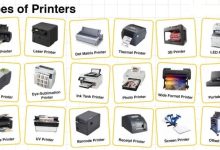
Turning Digital Information into Physical Output A printer is a peripheral device that produces a hard copy of digital documents, images, or graphics. Printers bridge the gap between the digital and physical worlds, enabling users to create tangible records of their work. Unlike monitors or speakers, which provide visual and auditory output, printers deliver information in a permanent, physical form — on paper or even as 3D objects. Historical Background Types of Printers Type Description Dot-Matrix Printer Uses pins and ink ribbons; durable but low resolution. Inkjet Printer Sprays liquid ink directly onto paper; high-quality, affordable, common in homes. Laser Printer Uses toner powder and laser technology; fast, precise, ideal for offices. Thermal Printer Applies heat to special paper; widely used in...
Personal Audio for Computing Headphones are audio output devices worn over or in the ears, designed to deliver sound directly to the user. Unlike speakers, which project sound into the environment, headphones provide a private listening experience. They are essential for music, gaming, communication, and professional audio work, making them one of the most widely used computer peripherals today. Historical Background Architecture and Features Headphones vary in design but share common components: Types of Headphones Type Description Over-Ear Large ear cups that cover the ears; comfortable and immersive. On-Ear Rest on the ears; lighter and portable. In-Ear (Earbuds) Compact, inserted into the ear canal; highly portable. Wireless Bluetooth-enabled; convenient for mobility. Noise-Canceling Use ANC technology to reduce ambient noise. Gaming Headsets...
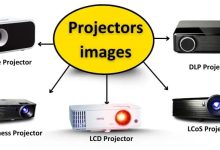
Expanding Digital Images into Shared Visuals A projector is an output device that takes digital or analog signals from a computer or other source and projects them as large-scale images onto a screen or surface. Unlike monitors or televisions, projectors are designed for group viewing, making them essential in classrooms, offices, theaters, and entertainment spaces. Historical Background Architecture and Features Modern projectors combine optics, electronics, and light sources to deliver clear, bright images. Types of Projectors Type Description LCD Projector Uses liquid crystal display panels; good color accuracy, common in classrooms and offices. DLP Projector Uses tiny mirrors to reflect light; compact, high contrast, popular for portable and home use. LCoS Projector Combines LCD and reflective technology; delivers very high resolution and...
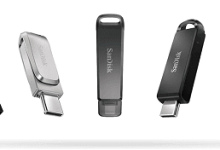
Portable Storage for the Digital Age A USB flash drive (also known as a thumb drive, pen drive, or memory stick) is a small, portable storage device that uses flash memory and connects to computers via a USB port. It revolutionized data portability by replacing floppy disks and CDs with a compact, durable, and high-capacity solution. Invention of the USB Flash Drive Historical Background Architecture and Features USB flash drives are built for portability and ease of use: Types of USB Flash Drives Type Description Standard USB-A Traditional connector, widely compatible with desktops and laptops. USB-C Flash Drive Modern connector, reversible, faster speeds, works with new laptops/phones. Dual USB Drive Features both USB-A and USB-C/micro-USB for cross-device compatibility. Secure Flash Drive Includes...
Expanding Storage Beyond the Computer An external hard drive is a portable storage device that connects to a computer via USB, Thunderbolt, or other interfaces. It provides additional capacity for data storage, backup, and transfer, making it an essential tool for both personal and professional computing. Unlike internal drives, external hard drives are removable and can be used across multiple devices. Historical Background Architecture and Features External hard drives combine storage technology with protective casing and connectivity: Types of External Hard Drives Type Description Portable HDD Small, powered via USB; affordable, large capacity, slower speeds. Portable SSD Compact, fast, shock-resistant; ideal for professionals needing speed. Desktop External Drive Larger, requires external power; very high capacity for backups. Network Attached Storage (NAS) External...
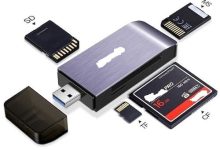
Bridging Memory Cards and Computers A card reader is an input/output device that allows computers to access data stored on memory cards, such as SD, microSD, CF, or other formats. It acts as a bridge between portable storage media and computing systems, enabling quick transfer of photos, videos, and files. Historical Background Architecture and Features Card readers are designed for compatibility and convenience: Types of Card Readers Type Description Single-Format Reader Supports only one type of card (e.g., SD). Multi-Format Reader Supports multiple card types (SD, microSD, CF, MS, etc.). Internal Reader Built into laptops, desktops, or printers. External Reader Portable, connects via USB; widely used for cameras and drones. Professional Reader High-speed readers for photographers and videographers, supporting UHS-II/CFexpress.
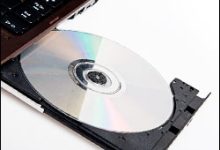
Reading and Writing with Light An optical drive is a computer hardware device that reads and writes data using laser light on optical discs such as CDs, DVDs, and Blu-ray discs. For decades, optical drives were the primary medium for distributing software, music, movies, and backups, bridging the gap between digital storage and physical media. Historical Background Architecture and Features Optical drives rely on precise laser technology: Types of Optical Drives Type Description CD-ROM Drive Reads data from CDs; common in early PCs. CD-R/CD-RW Drive Allows recording and rewriting CDs. DVD-ROM Drive Reads DVDs; higher capacity than CDs. DVD±R/RW Drive Records and rewrites DVDs. Blu-ray Drive Supports HD/4K content; very high capacity. Combo Drive Reads/writes multiple formats (CD, DVD, Blu-ray). External Optical...
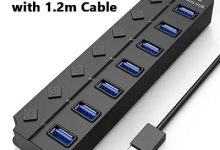
Expanding Connectivity Through a Single Port A USB hub is a device that expands one USB port into multiple ports, allowing several peripherals to connect to a computer simultaneously. It acts as a central point for keyboards, mice, printers, storage devices, and other accessories, making it essential for modern computing where devices often outnumber available ports. Historical Background Architecture and Features USB hubs vary in design but share common elements:
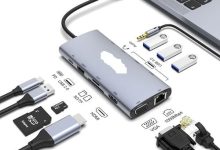
Expanding Laptop Connectivity A docking station is a device that allows laptops or tablets to connect to multiple peripherals and external displays through a single interface. It transforms portable computers into full desktop workstations, providing convenience, efficiency, and expanded functionality. Historical Background Architecture and Features Docking stations combine multiple interfaces into one hub:
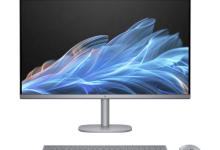
Compact Power in a Single Unit An all-in-one desktop (AIO) is a computer that integrates the monitor and system components into a single unit. Unlike traditional desktops with separate towers and monitors, AIOs save space, reduce cable clutter, and offer a sleek design. They are popular in homes, offices, and educational settings where simplicity and aesthetics matter. Historical Background Architecture and Features All-in-one desktops combine essential components into a streamlined design:
Cloud-Centric Computing Devices A Chromebook is a laptop or tablet running Google’s ChromeOS, designed to be lightweight, affordable, and cloud-focused. Unlike traditional laptops that rely heavily on local software, Chromebooks emphasize web-based applications and cloud storage, making them ideal for education, everyday productivity, and mobile computing. Historical Background Architecture and Features Chromebooks are built around simplicity and cloud integration: Comparison with Other Laptops Feature Chromebooks Windows Laptops MacBooks OS ChromeOS (cloud-focused) Windows (software-rich, versatile) macOS (premium ecosystem) Storage Limited, cloud-based Large local storage Large local storage + iCloud Performance Moderate to high (premium models) Wide range, from budget to gaming High performance, premium only Price Affordable (entry-level models) Wide range (budget to premium) Premium pricing Security Strong, automatic updates Requires antivirus, manual updates...
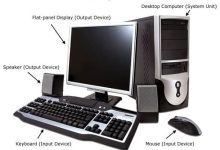
The Traditional Workhorse of Computing A desktop computer is a personal computer designed for regular use at a single location, typically on a desk. Unlike laptops or mobile devices, desktops prioritize performance, expandability, and durability, making them the backbone of both home and office computing for decades. Historical Background Architecture and Features Desktops are modular systems with separate components: Types of Desktops Type Description Tower/Desktop PC Traditional design with separate tower and monitor; highly customizable. Mini PC Compact, portable desktops with moderate performance. All-in-One PC Integrated monitor and system components in one unit; saves space. Gaming Desktop High-performance desktops with powerful GPUs and cooling systems. Workstation Professional desktops optimized for CAD, 3D modeling, and scientific tasks. Home/Office Desktop Affordable, general-purpose desktops for...
 seseltan





Latest Comments
666