Apple is facing intensified competition from domestic smartphone makers in China, as it has been slow to launch AI features in the market. According to the Financial Times, major Chinese smartphone brands have successively introduced migration apps to attract iPhone users to switch to Android, further escalating the battle in the world’s largest smartphone market. Since the beginning of this year, China’s top five domestic manufacturers have all launched data‑migration tools to help users more easily transfer from iOS to Android, or enable dual‑device collaboration. Omdia analyst Zhong Xiaolei noted: “Chinese smartphone makers are moving faster and more openly in AI development. While it may take time for these strategies to translate into actual users, they will undoubtedly put sustained...
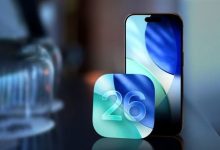
Early this morning, Apple pushed the second release candidate (RC2) of iOS 26.2 to iPhones, which indicates that the first release candidate was found to have some bugs and issues. It is reported that iOS 26.2 RC1 was officially rolled out last Tuesday, exactly one week ago. Under normal circumstances, today’s build would have been released as the official version for all compatible iPhones. However, to ensure user experience and system security, Apple chose to delay the official rollout and instead prioritize updating the build to fix these hidden problems. As usual, RC2 is mainly for bug fixes and does not introduce new features, with highlights remaining consistent with the previous version. Details are as follows: Lock Screen Sleep Scoring...
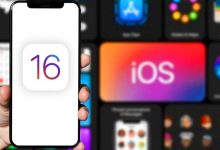
Apple’s Unified Smartphone Experience iPhone is Apple’s flagship smartphone line, first introduced in 2007. It runs exclusively on iOS, Apple’s proprietary mobile operating system. Unlike Android devices, which share a common OS across many manufacturers, the iPhone and iOS are designed together, ensuring tight integration of hardware and software for performance, security, and user experience. Historical Background Architecture and Features iPhone (Hardware) iOS (Software) Types of iPhones Model Description Standard iPhone Mainstream models (e.g., iPhone 15, 16, 17). iPhone Pro Premium models with advanced cameras and displays. iPhone Air (2025) Lightweight model focusing on portability. iPhone SE Budget-friendly model with classic design and modern internals. Real-World Example: iPhone 15 Pro (2023) Comparison with Other Smartphones Feature iPhone + iOS Android...
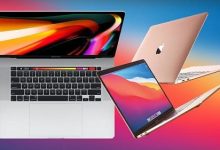
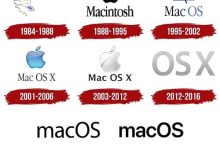
Apple’s Premium Laptop Series A MacBook is Apple’s line of laptops running the macOS operating system, designed to combine portability, performance, and elegant design. Known for their aluminum unibody construction, long battery life, and integration with the Apple ecosystem, MacBooks are positioned as premium devices for students, professionals, and creatives. Historical Background Architecture and Features Types of MacBooks Model Description MacBook (2006–2012, 2015–2019) Standard consumer laptop, discontinued. MacBook Air (2008–present) Ultra-thin, lightweight, focused on portability and efficiency. MacBook Pro (2006–present) High-performance laptop for professionals, available in 13, 14, and 16-inch models. Operating Systems 6.Real-World Example: MacBook Pro 16-inch (M3 Max, 2023)
Founders & Origins Historical Evolution Architecture Key Features
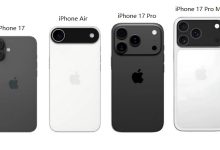
Apple Launches iPhone 17 Series, New AirPods Pro, and Next‑Gen Apple Watch on September 10 2025 At its “Awe Dropping” event, Apple unveiled the all‑new iPhone 17 lineup, including an ultra‑thin model, new AirPods Pro, and the next generation Apple Watch. The company also introduced the A19 and A19 Pro custom chips, which will power the iPhone 17 series smartphones. Four New iPhone 17 Models The new iPhone 17 continues Apple’s signature rounded design style and now supports a larger 6.3‑inch display. Alongside the base model, Apple launched the iPhone 17 Pro, Pro Max, and the ultra‑thin iPhone Air. iPhone 17 Pro and Pro Max iPhone Air – The Thinnest iPhone Ever The new iPhone Air is just 5.6mm thick, even thinner than the 6mm Samsung Galaxy S25 Edge. Its release was predicted earlier this year...
Founded in 1976 by Steve Jobs, Steve Wozniak, and Ronald Wayne, Apple began as a small startup in a California garage. Its first product, the Apple I computer, marked the beginning of a journey that would transform the technology industry. Over the decades, Apple introduced groundbreaking products such as the Macintosh, iPod, iPhone, and iPad, each reshaping consumer expectations and setting new industry standards. Today, Apple is headquartered in Cupertino, California, at the iconic Apple Park campus. Steve Jobs at the young age Philosophy and Vision Apple’s philosophy is built on three pillars: innovation, simplicity, and user experience. The company believes technology should be intuitive, beautifully designed, and seamlessly integrated into everyday life. Its vision extends beyond devices, aiming to create...
 seseltan