From Palm OS Smartphones to LG WebOS Smart TVs
Palm OS Origins
- Palm OS (1996–2007) was one of the earliest mobile operating systems, created by Palm for PDAs and later smartphones.
- It powered devices like the Palm Pilot and Palm Treo, famous for their simple UI, handwriting recognition (Graffiti), and strong productivity apps (contacts, calendar, tasks).
- By the mid‑2000s, Palm OS was falling behind newer platforms (iOS, Android). Palm needed a modern successor.
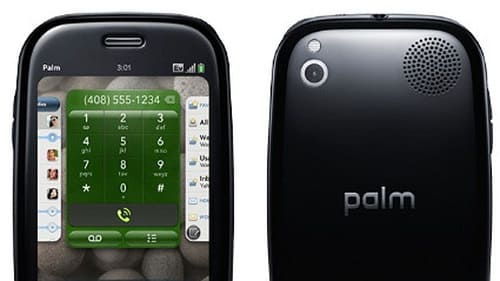
Birth of WebOS (Palm Era)
- 2009: Palm introduced WebOS with the Palm Pre smartphone.
- WebOS was designed as a next‑generation mobile OS, featuring the card‑based multitasking interface and apps built with web technologies (HTML5, CSS, JavaScript).
- It was praised for innovation but struggled against iOS and Android due to limited apps and weak hardware support.
HP Acquisition
- 2010: Hewlett‑Packard (HP) acquired Palm, hoping to use WebOS across smartphones, tablets, and even printers.
- 2011: HP launched the HP TouchPad tablet and new WebOS phones.
- However, sales were poor, and HP quickly abandoned WebOS for mobile devices.
- HP briefly open‑sourced WebOS, but its smartphone ambitions ended.
LG Acquisition and Transformation
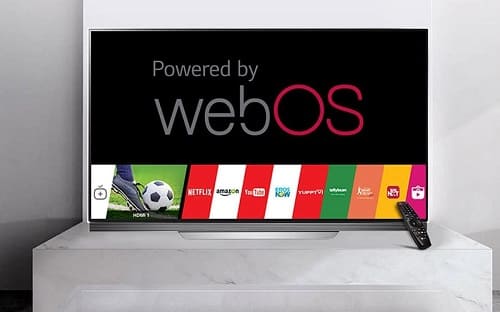
- 2013: LG Electronics acquired WebOS from HP.
- LG repurposed WebOS as the operating system for its Smart TVs.
- Since 2014, all LG Smart TVs have run WebOS, offering streaming apps, voice control, and smart home integration.
- LG later extended WebOS to appliances (refrigerators, projectors, IoT devices), but not back to smartphones.
Current Status
- Palm OS: Discontinued (2007).
- WebOS (mobile): Discontinued (2011, after HP’s failed attempt).
- WebOS (LG era): Active, powering LG Smart TVs and smart devices today.
Summary
- Palm OS was the pioneer (1996), laying the foundation for mobile productivity.
- Palm created WebOS (2009) as its successor, but it failed in the smartphone market.
- HP (2010–2012) tried to expand WebOS but abandoned it after poor sales.
- LG (2013–present) revived WebOS as a successful Smart TV and IoT platform, where it continues to thrive.
Architecture and Features
- Kernel: Linux-based.
- Languages: HTML5, CSS, JavaScript (web technologies).
- Interface: Card-based multitasking UI (innovative for its time).
- App Store: Initially Palm App Catalog; now LG Content Store for TVs.
- Integration: Works with LG ThinQ ecosystem, smart home devices, and streaming services.
Representative Devices
- Palm Pre (2009): First WebOS smartphone, famous for its card multitasking UI.
- HP TouchPad (2011): Tablet running WebOS, short-lived.
- LG Smart TVs (2014–present): Entire LG TV lineup runs WebOS.
- LG Smart Appliances: Refrigerators, projectors, and IoT devices using WebOS.
Comparison with Other OS
| Feature | WebOS | Android | iOS |
| Source Model | Linux-based, proprietary | Open-source (AOSP + proprietary GMS) | Closed-source |
| Original Use | Smartphones | Smartphones, tablets, TVs | iPhones only |
| Current Use | Smart TVs, IoT devices | Smartphones, TVs, wearables | Smartphones, tablets, wearables |
| Status (Mobile) | Discontinued (2011) | Active | Active |
-=||=-FavoriteLike (0)


Must log in before commenting!
Sign In Sign Up