
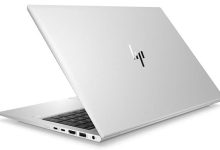
The HP EliteBook 850 G7 is a 15.6‑inch premium business laptop released in 2020. It belongs to HP’s EliteBook 800 series and represents a redesign compared to earlier generations, offering slimmer bezels, lighter weight, and updated Intel 10th Gen processors. Key Specifications Connectivity & Ports Pros & Cons Pros Cons Redesigned slim chassis with narrow bezels Larger 15.6-inch size makes it less portable 10th Gen Intel Core processors Integrated graphics in base models Optional NVIDIA MX250 discrete GPU GPU option is entry-level Long battery life with fast charging Screen brightness modest compared to newer G8/G9 Enterprise-grade security features (TPM, fingerprint, SmartCard) No 4K display option Verdict The HP EliteBook 850 G7 is a modernized large-screen business laptop that combines performance,...
The HP EliteBook 850 G5 is a 15.6‑inch premium business laptop released in 2018. It belongs to HP’s EliteBook 800 series and is designed for professionals who need a larger display, enterprise‑grade security, and reliable performance. Key Specifications Connectivity & Ports Pros & Cons Pros Cons Large 15.6-inch screen for productivity Bulkier and heavier than 14-inch EliteBooks 8th Gen Intel Core processors with solid performance Integrated graphics in base models Optional discrete AMD GPU for better visuals GPU option limited to entry-level Radeon Long battery life with fast charging Screen brightness modest compared to newer ultrabooks Premium aluminum build, enterprise security features Design looks dated compared to G6/G7 Verdict The HP EliteBook 850 G5 is a large-screen business laptop that...
The HP EliteBook 850 G6 is a 15.6‑inch premium business laptop released in 2019. It belongs to HP’s EliteBook 800 series, designed for enterprise users who need a larger display, strong performance, and advanced security features Key Specifications Connectivity & Ports Pros & Cons Pros Cons Large 15.6-inch screen for productivity Bulkier and heavier than 14-inch EliteBooks 8th Gen Intel Core processors with strong performance Integrated graphics in base models Optional discrete AMD GPU for better visuals GPU option limited to entry-level Radeon Long battery life with fast charging Screen brightness modest compared to newer ultrabooks Premium aluminum build, enterprise security features Design looks dated compared to G7/G8 Verdict The HP EliteBook 850 G6 is a large-screen business laptop that...
The HP EliteBook 840 G4 is a 14‑inch business laptop released in 2017 as part of HP’s premium EliteBook line. It was designed for professionals who need a secure, durable, and portable machine with reliable performance and enterprise features. Key Specifications Connectivity & Ports Pros & Cons Pros Cons Premium build quality, durable and lightweight Integrated graphics only 7th Gen Intel Core processors with solid performance Screen brightness modest compared to newer ultrabooks Long battery life with hot‑swappable option No discrete GPU option Wide port selection including Thunderbolt 3 Base HD display option is low resolution Enterprise features: fingerprint reader, SmartCard, TPM Design looks dated compared to newer EliteBooks Verdict The HP EliteBook 840 G4 is a premium mid‑range business...
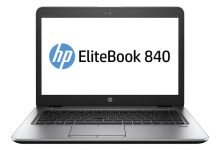
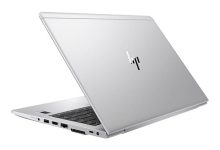
The HP EliteBook 840 G5 is a 14‑inch business laptop released in 2018 as part of HP’s premium EliteBook line. It was designed for professionals who need a secure, durable, and portable machine with modern performance and enterprise features. Key Specifications Connectivity & Ports Pros & Cons Pros Cons Premium aluminum build, durable and lightweight Integrated graphics only 8th Gen Intel Core processors with strong performance Screen brightness modest compared to newer ultrabooks Long battery life with hot‑swappable option No discrete GPU option Wide port selection including Thunderbolt 3 Design looks dated compared to newer EliteBooks Enterprise features: fingerprint reader, SmartCard, TPM Base HD display option is low resolution Verdict The HP EliteBook 840 G5 is a premium mid‑range business...
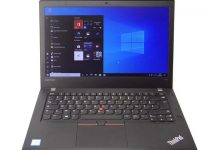
The Lenovo ThinkPad T470 is a 14‑inch business laptop released in 2017, offering a balance of durability, portability, and performance. It supports up to 32 GB DDR4 RAM, SSD storage, and comes with Intel’s 6th or 7th Gen Core i5/i7 processors. Key Specifications Connectivity & Ports Pros & Cons Pros Cons Durable MIL‑STD tested build quality Integrated graphics only Hot‑swappable battery for extended use Screen brightness modest compared to newer models Supports up to 32 GB DDR4 RAM Design looks dated by modern standards SSD storage ensures fast performance Heavier than ultrabooks Wide port selection including Thunderbolt 3 Limited display options (no 4K) Verdict The Lenovo ThinkPad T470 is a reliable business laptop that emphasizes durability, strong performance, and enterprise...
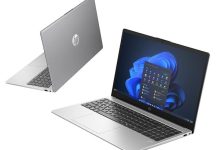
The HP 255R G10 is a 15.6‑inch business laptop from HP’s 200 series, launched in 2023. It is designed as an affordable option for office work, study, and everyday productivity, offering AMD Ryzen 7000 processors and modern connectivity at a budget‑friendly price. Key Specifications Connectivity & Ports Pros & Cons Pros Cons Latest AMD Ryzen 7000 processors Integrated graphics only DDR5 memory support for faster performance Screen brightness and color coverage are modest SSD storage ensures quick boot and load times Battery life is average Lightweight and affordable Plastic build feels less premium Rich port selection including USB‑C and HDMI Not suitable for heavy gaming or design work Verdict The HP 255R G10 is a budget‑friendly business laptop that balances...
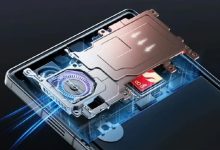
Since last year, major smartphone brands have begun entering the fan-cooling race, with built-in fans emerging as a new industry trend. This shift reflects a more aggressive hardware approach to unlocking performance potential in mobile devices. Why Fans Are Trending Engineering Challenges Outlook Despite these challenges, continuous iteration and innovation are driving smartphone cooling into a new era. Future solutions are expected to be smarter, more energy-efficient, and more reliable, balancing performance with durability. This trend shows how smartphone makers are pushing boundaries to meet the demands of gaming and high-performance users, even if it means rethinking traditional design trade-offs
On March 20, Realme announced its full integration back into the OPPO family, with China after-sales services set to transition to the OPPO service network starting April 1, 2026. Transition Details Data & Privacy Strategic Context Earlier this year, OPPO confirmed Realme’s return as a sub-brand, alongside OnePlus and OPPO, forming a coordinated strategy. Realme CEO Li Bingzhong will oversee the overall sub-brand business. This move strengthens OPPO’s ecosystem while ensuring Realme users benefit from a broader, unified service network.
On March 20, Unitree Robotics officially submitted its IPO application to the Shanghai Stock Exchange’s STAR Market, seeking to raise RMB 4.202 billion. This positions Unitree to become the first humanoid robot company listed on China’s A-shares. IPO Highlights Product & Market Leadership Financial Performance (2025) Technical Achievements Unitree’s IPO marks a milestone for China’s robotics industry, signaling the arrival of humanoid robots as a commercially viable and globally competitive sector.
At the Huawei China Partner Conference 2026 held on March 20, Huawei announced the official establishment of the Huawei Media Corps, making the media industry an independent business unit. Du Zhongxia has been appointed as its president. Strategic Focus The Media Corps will concentrate on three core directions: Huawei emphasized its positioning of “not producing content, only enabling technology”, aiming to connect its strengths in 5G-A, computing, AI, and ultra-HD to provide tailored digital transformation solutions for media industry clients. This move highlights Huawei’s ambition to become a technology enabler for the media sector, driving innovation and modernization across the industry.
At the March 19 Spring Product Launch, Xiaomi CEO Lei Jun unveiled the company’s ambitious plan to invest at least ¥60 billion (approx. $8.3 billion) in AI over the next three years. Current R&D and capital expenditures have already exceeded ¥16 billion. MiMo-V2-Pro Large Model Team Profile Lei Jun emphasized that Xiaomi’s AI team has achieved in two years what many peers take five to ten years, underscoring the rapid pace of progress. This announcement signals Xiaomi’s determination to become a major player in global AI development, combining cutting-edge research with aggressive investment.
 seseltan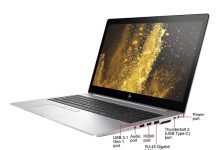




Latest Comments
666