What Is Terrestrial Fiber?
- Definition: Terrestrial fiber refers to fiber‑optic cables laid on land (underground, along railways, highways, or utility corridors) to transmit data at high speed.
- Purpose: Forms the backbone of national and regional internet connectivity, linking cities, data centers, and local networks.
- Contrast: Unlike submarine cables (undersea), terrestrial fiber is land‑based and connects within continents or countries.
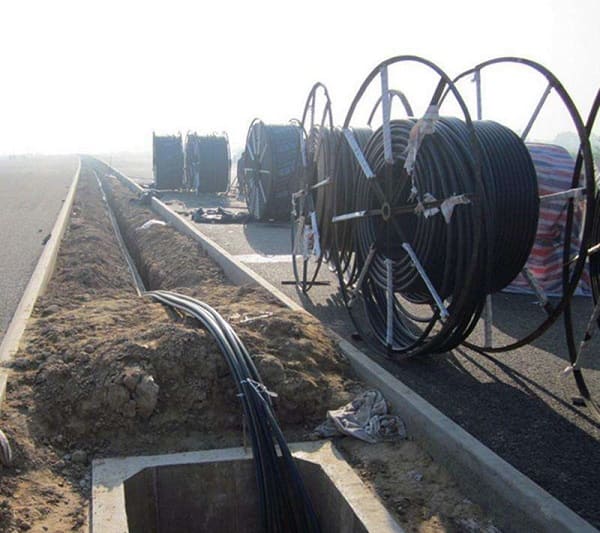
Structure & Technology
- Fiber‑optic strands: Thin glass or plastic fibers that carry light signals.
- Transmission: Data is encoded as pulses of light, enabling speeds of terabits per second.
- Protection: Cables are armored and buried to protect against weather, construction, and accidental damage.
- Amplifiers/Repeaters: Installed along routes to boost signals over long distances.
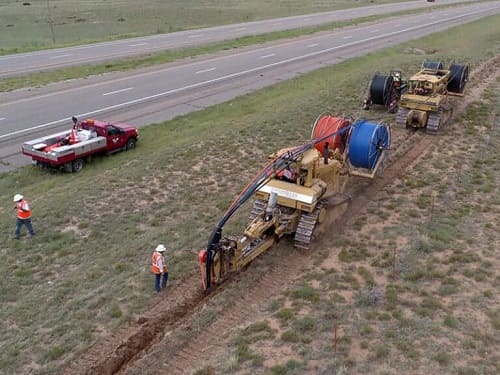
Types of Terrestrial Fiber Networks
- Long‑haul backbone fiber
- Connects major cities and regions.
- Often runs along highways, railways, or power lines.
- Metro fiber
- Connects within a city, linking data centers, ISPs, and enterprises.
- Last‑mile fiber
- Connects homes and businesses (FTTH — Fiber to the Home).
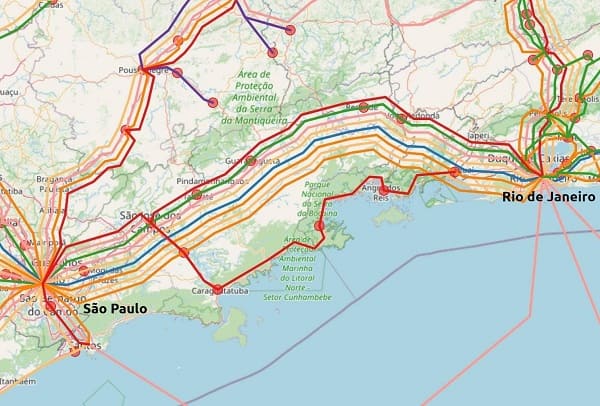
Global Scale
- Terrestrial fiber networks exist in every country, forming the national internet backbone.
- Examples:
- US: Nationwide fiber backbone connecting coast to coast.
- Europe: Dense cross‑border terrestrial fiber linking EU countries.
- Asia: China has massive terrestrial fiber deployments connecting rural and urban areas.
-=||=-FavoriteLike (0)



Must log in before commenting!
Sign In Sign Up