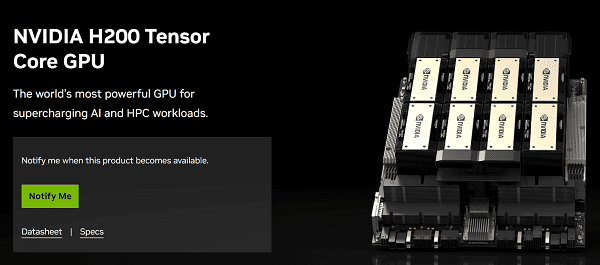
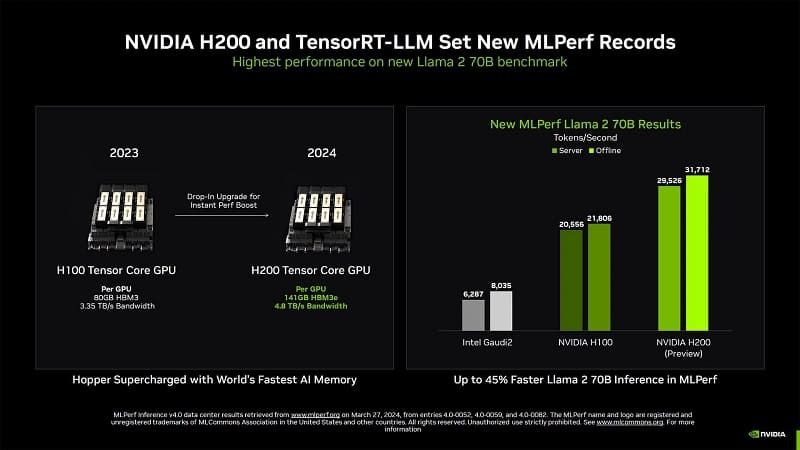
The United States is poised to approve exports of NVIDIA’s H200 AI chip to China, which will be the most powerful chip NVIDIA can provide to the Chinese market.
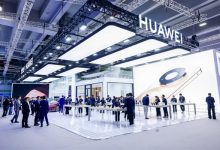
According to the latest reports, the key factor behind this decision is the U.S. government’s assessment that the national security risks are relatively low, since Huawei—NVIDIA’s main competitor in China—already offers AI systems with comparable performance.
Sources revealed that in evaluating whether to approve H200 exports, the U.S. considered multiple scenarios, ranging from a complete ban on AI chip sales to China, to allowing all products to flood the Chinese market and overwhelm Huawei.
Ultimately, the policy backed by President Trump is to approve H200 sales to China, while reserving NVIDIA’s newest and more powerful chips for American customers.
This move not only allows the U.S. to maintain roughly an 18‑month lead in AI chip technology, but also encourages Chinese AI developers to continue relying on the U.S. ecosystem rather than fully shifting to Huawei or other domestic chipmakers.
Sources also noted that White House officials focused on Huawei’s CloudMatrix 384 AI platform, which uses Huawei’s newer Ascend series chips.
They found that the performance of CloudMatrix 384 can already rival NVIDIA’s NVL72 systems built on its most advanced Blackwell architecture.
More urgently, the U.S. concluded that Huawei will be capable of producing several million Ascend 910C chips by 2026. By contrast, U.S. estimates in June suggested Huawei could only produce about 200,000 Ascend chips this year.
This dramatic leap in projected production capacity became a critical factor in the U.S. government’s decision to adjust its AI chip export strategy and allow H200 shipments to China.



Must log in before commenting!
Sign In Sign Up