Expanding Connectivity Through a Single Port
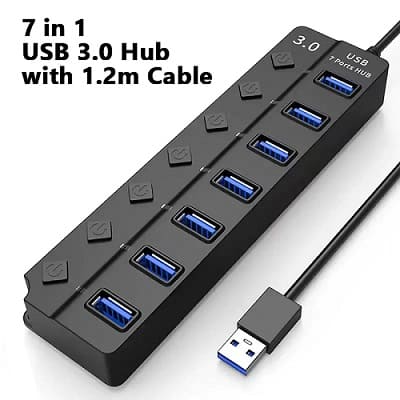
A USB hub is a device that expands one USB port into multiple ports, allowing several peripherals to connect to a computer simultaneously. It acts as a central point for keyboards, mice, printers, storage devices, and other accessories, making it essential for modern computing where devices often outnumber available ports.
Historical Background
- 1995: USB standard introduced by Intel and partner companies to unify peripheral connections.
- Late 1990s: First USB hubs appeared, supporting USB 1.1 speeds (12 Mbps).
- 2000s: USB 2.0 hubs became common, offering faster transfer rates (480 Mbps).
- 2010s–Present: USB 3.0/3.1/3.2 hubs and USB-C hubs dominate, supporting gigabit speeds and power delivery.
Architecture and Features
USB hubs vary in design but share common elements:
- Ports: Multiple USB-A or USB-C connectors.
- Controller Chip: Manages data traffic between devices and the host computer.
- Power Source: Bus-powered (draws power from computer) or self-powered (external adapter).
- Compatibility: Works with a wide range of peripherals.
- Form Factor: Compact portable hubs or larger docking stations.
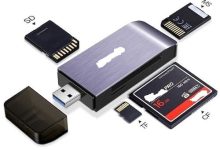
- Additional Functions: Some hubs include card readers, HDMI, Ethernet, or audio ports.
-=||=-FavoriteLike (0)




Must log in before commenting!
Sign In Sign Up