Expanding Laptop Connectivity
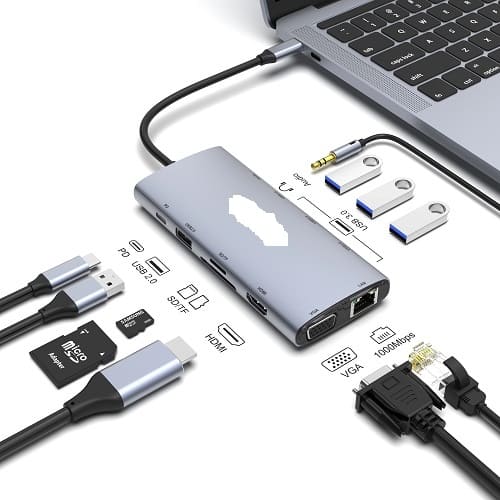
A docking station is a device that allows laptops or tablets to connect to multiple peripherals and external displays through a single interface. It transforms portable computers into full desktop workstations, providing convenience, efficiency, and expanded functionality.
Historical Background
- 1980s–1990s: Early docking stations were bulky mechanical bases designed for business laptops, offering ports and expansion slots.
- 2000s: USB-based docking stations became common, simplifying connections.
- 2010s–Present: Modern docking stations use USB-C and Thunderbolt, supporting high-speed data transfer, power delivery, and multiple monitors.
Architecture and Features
Docking stations combine multiple interfaces into one hub:
- Ports: USB-A, USB-C, HDMI, DisplayPort, Ethernet, audio jacks, SD card slots.
- Power Delivery: Charges laptops while connected.
- Data Transfer: Supports high-speed connections (USB 3.1, Thunderbolt 3/4).
- Display Support: Connects one or more external monitors, often up to 4K or 8K resolution.
- Form Factor: Compact portable hubs or larger desktop docks.
- Compatibility: Works with laptops, tablets, and sometimes smartphones.
-=||=-FavoriteLike (0)




Must log in before commenting!
Sign In Sign Up