Origins & Founders
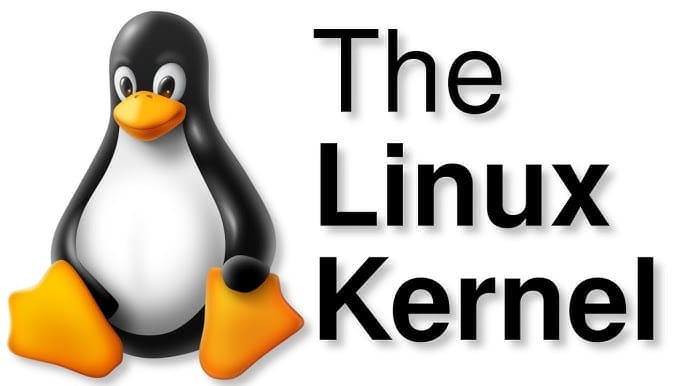
- Created in 1991 by Linus Torvalds, a Finnish computer science student.
- Initially developed as a personal project to build a free Unix‑like operating system kernel.
- Released under the GNU General Public License (GPL), allowing anyone to use, modify, and distribute it.
- Combined with GNU tools (from Richard Stallman’s Free Software Foundation), it became a full operating system.
Historical Evolution
- 1991: First Linux kernel released (version 0.01).
- 1990s: Rapid growth through community contributions; distributions like Slackware, Debian, and Red Hat emerged.
- 2000s: Linux gained traction in servers, supercomputers, and embedded systems.
- 2010s–2020s: Became dominant in cloud computing, Android smartphones (built on Linux kernel), and IoT devices.
Architecture
- Kernel:
- Monolithic kernel — manages processes, memory, device drivers, networking, and file systems.
- Modular design allows loading/unloading of drivers at runtime.
- User Space:
- GNU utilities (bash shell, coreutils).
- Libraries (glibc) provide APIs for applications.
- File System:
- Ext4 is the most common, but supports many (XFS, Btrfs, ZFS).
- Security: User/group permissions, SELinux/AppArmor for mandatory access control.
Key Features
- Open Source: Free to use, modify, and distribute.
- Distributions (Distros): Ubuntu, Fedora, Debian, Arch, CentOS, etc.
- Portability: Runs on servers, desktops, mobile devices, embedded systems.
- Stability & Performance: Powers most of the world’s servers and supercomputers.
- Community Driven: Thousands of contributors worldwide.
Usage Scenarios
- Servers & Cloud: Web servers, databases, cloud infrastructure.
- Desktop Computing: Ubuntu, Fedora, Mint for everyday use.
- Mobile: Android smartphones run on the Linux kernel.
- Embedded Systems: Routers, smart TVs, IoT devices.
- Supercomputers: Over 90% of the world’s fastest supercomputers run Linux.
-=||=-FavoriteLike (0)



Must log in before commenting!
Sign In Sign Up