Origins & Founders
- Developed in 1969 at AT&T’s Bell Labs.
- Key creators: Ken Thompson, Dennis Ritchie, and colleagues.
- Originally written in assembly language, later rewritten in C (1973), which made it portable across different hardware.

Historical Evolution
- 1969: First version of UNIX created for PDP‑7 minicomputer.
- 1970s: Spread to universities and research labs; became popular in academia.
- 1980s: Commercial variants emerged (e.g., SunOS, HP‑UX, AIX).
- 1990s: UNIX standards developed (POSIX, Single UNIX Specification).
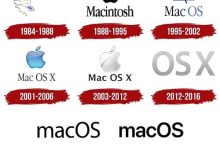
- 2000s–present: Influenced modern OS design; macOS is certified UNIX, Linux is UNIX‑like.
Architecture
- Kernel:
- Monolithic design, manages processes, memory, file systems, and devices.
- File System:
- Hierarchical structure with root (/) directory.
- “Everything is a file” philosophy (devices, processes, sockets).
- User Space:
- Shells (sh, csh, ksh, bash) for command‑line interaction.
- Utilities (grep, awk, sed, etc.).
- Security:
- User/group permissions, access control, multi‑user environment.
Key Features
- Portability: Written in C, easily adapted to new hardware.
- Multi‑user & Multitasking: Supports multiple users and processes simultaneously.
- Networking: Strong TCP/IP support, widely used in servers.
- Stability & Reliability: Known for robustness in enterprise environments.
- Influence: Basis for POSIX standards, inspiration for Linux, BSD, and macOS.
Usage Scenarios
- Servers: Web hosting, databases, enterprise systems.
- Workstations: Scientific and engineering computing.
- Education: Teaching OS concepts and programming.
- Modern Descendants: macOS (certified UNIX), BSD variants (FreeBSD, OpenBSD), Solaris.
-=||=-FavoriteLike (0)




Must log in before commenting!
Sign In Sign Up