Windows Operating System
Founders & Origins
- Microsoft founded in 1975 by Bill Gates and Paul Allen.
- First product: a BASIC interpreter for the Altair 8800.
- 1980: Microsoft partnered with IBM to provide MS‑DOS, which became the foundation for Windows.
- 1985: Windows 1.0 released as a graphical shell on top of MS‑DOS.
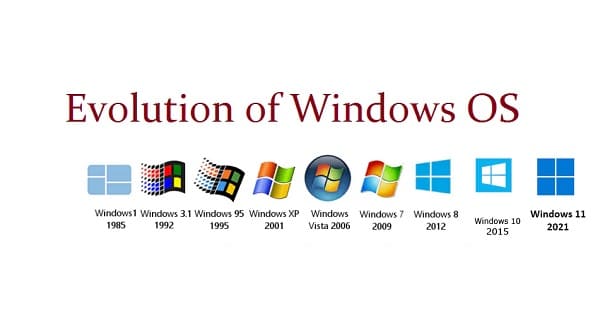
Historical Evolution
- Windows 1.0 (1985): Simple GUI with tiled windows.
- Windows 3.x (1990–1992): Popularized GUI computing, introduced Program Manager and File Manager.
- Windows 95 (1995): Start Menu, taskbar, plug‑and‑play hardware, 32‑bit support.
- Windows XP (2001): Stability, user‑friendly interface, long‑term success.
- Windows 7 (2009): Performance improvements, Aero interface.
- Windows 10 (2015): Unified ecosystem, continuous updates.
- Windows 11 (2021): Modern design, Android app support, enhanced productivity.
Core Features
- Graphical User Interface (GUI): Windows, icons, menus, and mouse interaction.
- Multitasking: Run multiple applications at the same time.
- File System: NTFS with support for permissions, encryption, and large storage.
- Hardware Compatibility: Works with a wide range of devices and drivers.
- Security: Windows Defender, firewall, and User Account Control (UAC).
- Application Ecosystem: Microsoft Store plus traditional installers (.exe, .msi).
Usage Scenarios
- Personal Computing: Word processing, entertainment, gaming.
- Enterprise: Office automation, server management, productivity tools.
- Education & Research: Programming, data analysis, simulations.
Significance Windows transformed computers from specialized tools into everyday consumer products. Its GUI and ecosystem lowered the barrier to entry, enabling millions of people to use PCs easily
-=||=-FavoriteLike (0)




Must log in before commenting!
Sign In Sign Up