Founders & Origins
- Apple Inc. was founded in 1976 by Steve Jobs, Steve Wozniak, and Ronald Wayne.
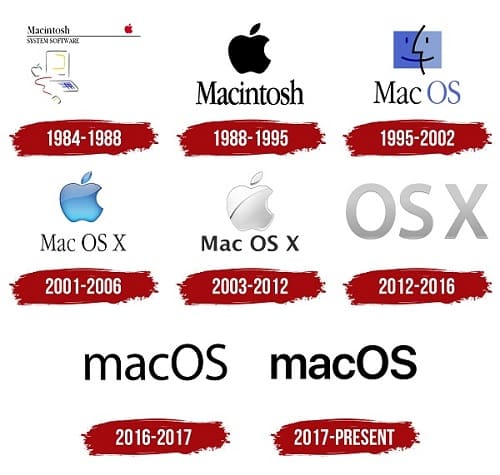
- The first Macintosh computer was released in 1984, running the Classic Mac OS.
- In 2001, Apple introduced Mac OS X, a Unix‑based successor to Classic Mac OS.
- In 2016, the name was changed to macOS to align with iOS, watchOS, and tvOS.
Historical Evolution
- Classic Mac OS (1984–2001): Early GUI system, single‑tasking, limited memory protection.
- Mac OS X (2001): Unix foundation, Aqua interface, improved stability.
- macOS (2016–present): Modernized design, tight ecosystem integration, optimized for Apple Silicon.
- Latest versions: macOS Ventura (2022), Sonoma (2023), Sequoia (2024), Tahoe (2025).
Architecture
- Kernel:
- XNU (X is Not Unix): Hybrid kernel combining Mach microkernel and BSD components.
- Provides multitasking, memory management, and hardware abstraction.
- File System:
- APFS (Apple File System): Introduced in 2017, optimized for SSDs, supports snapshots and encryption.
- User Interface:
- Aqua GUI: Dock, Finder, Spotlight, Mission Control.
- Security:
- Gatekeeper, System Integrity Protection (SIP), sandboxing, frequent updates.
Key Features
- Seamless Ecosystem: Works with iPhone, iPad, Apple Watch (AirDrop, Handoff, Universal Clipboard).
- Built‑in Apps: Safari, Mail, iMovie, GarageBand, Pages, Numbers, Keynote.
- Developer Tools: Xcode, Terminal with Unix commands.
- Performance: Optimized for Apple Silicon (ARM64), still supports Intel x86‑64.
-=||=-FavoriteLike (0)




Must log in before commenting!
Sign In Sign Up