Backbone of Enterprise Data Processing
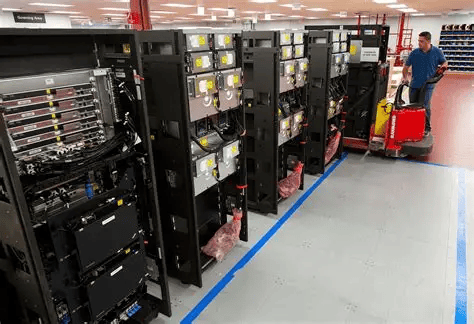
Mainframe computers are large-scale computing systems designed to process vast volumes of data and support hundreds or thousands of users simultaneously. Known for their reliability, scalability, and security, mainframes have been the backbone of enterprise computing for decades. They are widely used in industries where data integrity, uptime, and transaction throughput are critical — such as banking, government, healthcare, and aviation.
Historical Background
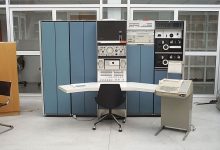
- 1950s–1960s: The term “mainframe” originated from the large physical frames that housed early computers like the IBM 701 and UNIVAC I.
- 1970s–1980s: IBM’s System/360 and System/370 series standardized mainframe architecture, making them dominant in commercial computing.
- 1990s–2000s: Mainframes evolved to support virtualization, distributed computing, and integration with modern networks.
- Today: Modern mainframes like the IBM zSeries continue to power mission-critical applications with unmatched reliability and throughput.
Architecture and Features
Mainframes differ significantly from personal computers and servers in both design and function.
- Processing Power: Mainframes use high-performance CPUs optimized for throughput rather than raw speed. They excel at handling millions of transactions per second.
- Virtualization: A single mainframe can run dozens or hundreds of virtual machines, each with its own operating system.
- Operating Systems: Common OSs include z/OS, Linux on Z, and z/VM, designed for scalability and security.
- I/O Capacity: Mainframes support thousands of simultaneous I/O operations, crucial for transaction-heavy environments.
- Reliability and Uptime: Designed for 99.999% availability, mainframes often run continuously for years without interruption.
- Security: Hardware-level encryption, role-based access control, and audit capabilities make mainframes ideal for sensitive data.
Real-World Example: IBM z16 Mainframe
Let’s take a concrete example to illustrate what a modern mainframe looks like.
- Model: IBM z16 (launched in 2022)
- Processor: IBM Telum chip with on-chip AI inference, 7nm technology
- Cores: Up to 200 cores per system, with simultaneous multithreading
- Memory: Up to 40 TB of system memory
- Security: Quantum-safe cryptography and real-time AI-based fraud detection
- Virtualization: Supports thousands of Linux containers and virtual machines
- Use Cases: Real-time credit card fraud detection, large-scale banking transactions, healthcare data processing
Applications
Mainframes are indispensable in sectors where data volume, security, and uptime are non-negotiable.
- Banking and Finance: Processing millions of ATM transactions, wire transfers, and account updates daily.
- Government: Managing citizen records, tax systems, and social security databases.
- Healthcare: Storing and processing patient records, insurance claims, and medical billing.
- Airlines: Handling reservation systems, ticketing, and flight scheduling.
- Retail: Managing inventory, loyalty programs, and point-of-sale systems across thousands of stores.


Must log in before commenting!
Sign In Sign Up