The Midrange Workhorses of Early Computing
Minicomputers, also known as midrange computers, were a class of computing systems that emerged in the 1960s to fill the gap between large-scale mainframes and smaller personal computers. Though largely obsolete today, minicomputers played a pivotal role in democratizing computing power for laboratories, small businesses, and industrial control systems. They offered multi-user capabilities, moderate performance, and affordability — making them a popular choice for organizations that couldn’t justify the cost or complexity of a mainframe.
Historical Background
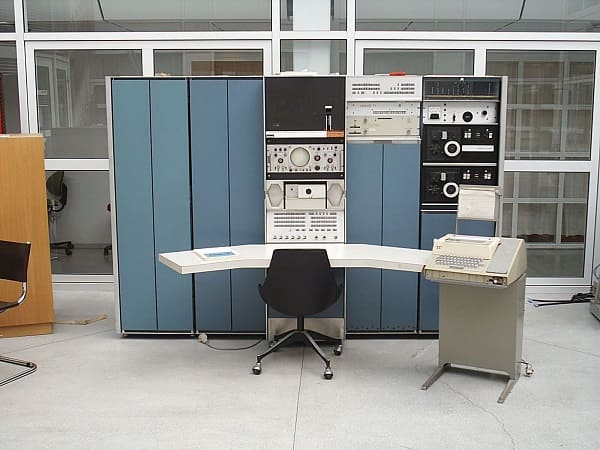
- 1960s: The term “minicomputer” was coined to describe smaller, cheaper systems like the Digital Equipment Corporation (DEC) PDP-8, which cost under $20,000 — a fraction of mainframe prices.
- 1970s: Minicomputers gained popularity in scientific labs, manufacturing plants, and universities. DEC’s PDP-11 and VAX series became iconic platforms.
- 1980s–1990s: As microprocessors improved, minicomputers evolved into workgroup servers and UNIX systems, eventually merging into the broader category of servers.
- 2000s onward: The rise of powerful personal computers and cloud computing rendered traditional minicomputers obsolete, though their legacy lives on in modern server architecture.
Architecture and Features
Minicomputers were designed to be more compact and affordable than mainframes, while still supporting multiple users and moderate workloads.
- Processor: Typically used 16-bit or 32-bit CPUs, with simpler instruction sets than mainframes.
- Memory: Ranged from a few kilobytes in early models to several megabytes in later systems.
- Operating Systems: Supported multi-user OSs like UNIX, RSX-11, or proprietary systems.
- I/O and Peripherals: Connected to terminals, printers, and scientific instruments via serial interfaces.
- Multi-user Capability: Allowed multiple users to access the system simultaneously through terminals.
- Size and Cost: Often housed in a single cabinet or rack, costing tens of thousands of dollars — far less than mainframes.
Real-World Example: DEC VAX-11/780
To understand a minicomputer in practice, let’s look at the VAX-11/780, one of the most influential systems of its time.
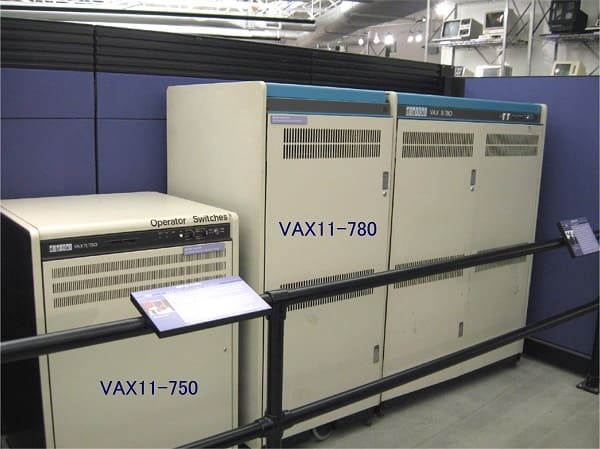
- Manufacturer: Digital Equipment Corporation (DEC)
- Release Year: 1977
- Processor: 32-bit VAX CPU, capable of 1 MIPS (million instructions per second)
- Memory: Up to 8 MB RAM
- Operating System: VMS (Virtual Memory System)
- Users Supported: Dozens of simultaneous users via terminals
- Applications: University computing, scientific modeling, business data processing
- Legacy: Introduced virtual memory and influenced the design of modern UNIX systems
Applications
Minicomputers were widely adopted across industries and institutions for tasks that required moderate computing power and multi-user access.
- Scientific Research: Used in laboratories for data analysis, simulations, and instrument control.
- Manufacturing: Controlled industrial processes, robotics, and factory automation systems.
- Education: Provided computing access to students and faculty in universities.
- Business: Managed accounting, inventory, and payroll systems for small and mid-sized companies.
- Telecommunications: Handled switching and routing tasks in early network infrastructure.
Comparison with Other Systems
| Feature | Minicomputers | Mainframes | Personal Computers (PCs) |
| User Capacity | Dozens of users | Thousands of users | Single user |
| Performance | Moderate (1–10 MIPS) | High (hundreds to thousands MIPS) | Low to moderate (desktop scale) |
| Size | Cabinet-sized | Room-sized | Desktop or laptop |
| Cost | $10,000–$100,000 | Millions of dollars | Hundreds to thousands USD |
| Use Case | Labs, factories, small businesses | Banks, governments, large enterprises | Personal productivity |
Decline and Legacy
By the early 2000s, traditional minicomputers had largely disappeared from the computing landscape. Several key factors contributed to their decline:
- Performance Leap in PCs and Servers: Advances in microprocessor technology allowed personal computers and commodity servers to match or exceed minicomputer performance at a fraction of the cost.
- Shift to Standard Architectures: Organizations moved away from proprietary hardware toward standardized x86-based systems running Linux or Windows Server.
- Rise of Cloud Computing: Cloud platforms now offer scalable, on-demand computing power that replaces the need for on-premise midrange systems.
- Software Migration: Applications once built for minicomputers were re-engineered for modern platforms, reducing reliance on legacy systems.
- Vendor Evolution: Companies like IBM transitioned their midrange product lines (e.g., AS/400) into modern enterprise servers like the IBM Power Systems, which still serve similar roles but under a new architectural paradigm.
Despite their disappearance, minicomputers left a lasting legacy:
- UNIX and Linux: Many UNIX variants originated on minicomputers and laid the foundation for today’s Linux ecosystem.
- Server Design: Concepts like multi-user access, modularity, and virtual memory management were pioneered in minicomputers.
- Cultural Impact


Must log in before commenting!
Sign In Sign Up