Invisible Intelligence Behind Everyday Devices
Embedded computers are specialized computing systems integrated into larger machines or devices to perform dedicated functions. Unlike general-purpose computers such as PCs or laptops, embedded systems are designed to operate autonomously, often in real-time, with minimal user interaction. They are the unseen brains behind countless technologies — from household appliances and automobiles to industrial robots and medical equipment.
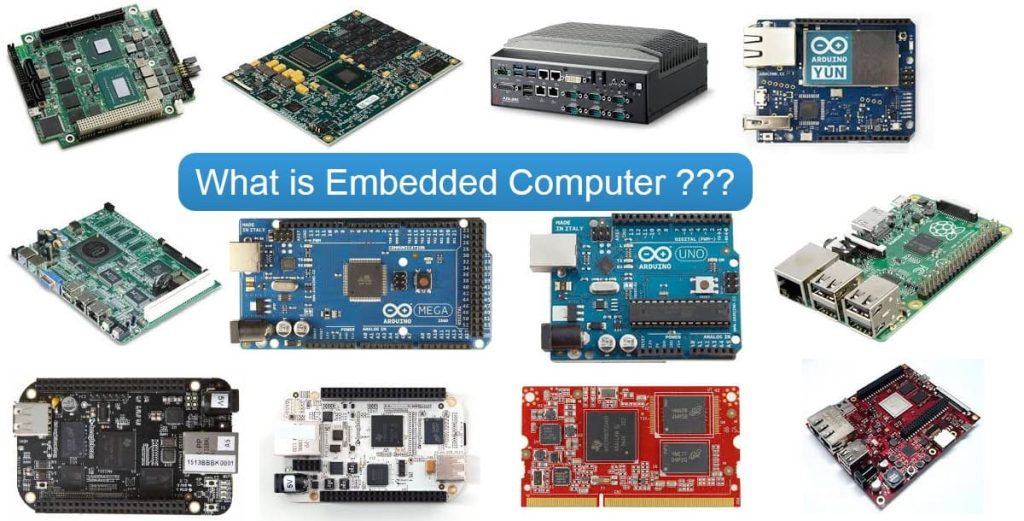
An embedded computer is not a standalone device. It is “embedded” within a host system, tailored to control, monitor, or assist specific operations. These systems are optimized for reliability, efficiency, and low power consumption, often running on minimal hardware and software.
Architecture and Features
Embedded computers vary widely depending on their application, but they share several core characteristics:
- Processor: Typically use microcontrollers (MCUs) or system-on-chips (SoCs), such as ARM Cortex-M or RISC-V cores.
- Memory: Limited RAM and flash storage, sufficient for the specific task.
- Operating System: May run real-time operating systems (RTOS) like FreeRTOS, VxWorks, or even bare-metal code. Some advanced systems use embedded Linux.
- I/O Interfaces: Include GPIO, UART, SPI, I2C, CAN, and other protocols for sensor and actuator communication.
- Power Efficiency: Designed for low energy consumption, often battery-powered or energy-harvesting.
- Form Factor: Compact and rugged, often mounted directly onto circuit boards or inside enclosures.
Real-World Example: Raspberry Pi Pico
Let’s look at a popular embedded computing platform:
- Model: Raspberry Pi Pico
- Processor: Dual-core ARM Cortex-M0+
- Clock Speed: 133 MHz
- Memory: 264 KB SRAM, 2 MB flash
- I/O: 26 GPIO pins, SPI, I2C, UART, ADC
- Power: USB or external 1.8–5.5V supply
- Use Cases: Robotics, sensor data logging, home automation, wearable devices
Applications
Embedded computers are everywhere — often unnoticed but essential to modern life.
- Consumer Electronics: Smart TVs, washing machines, microwave ovens, and digital cameras.
- Automotive Systems: Engine control units (ECUs), anti-lock braking systems (ABS), infotainment, and airbag controllers.
- Industrial Automation: PLCs, CNC machines, and robotic arms.
- Medical Devices: Pacemakers, infusion pumps, diagnostic equipment.
- Telecommunications: Routers, switches, and signal processors.
- IoT Devices: Smart thermostats, security systems, and environmental sensors.
Comparison with Other Computer Types
| Feature | Embedded Computers | Personal Computers (PCs) | Mainframes / Supercomputers |
| Purpose | Dedicated, task-specific | General-purpose | High-performance, multi-user |
| User Interaction | Minimal or none | Full user interface | Indirect, via applications |
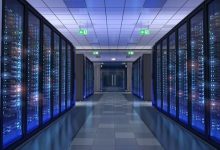
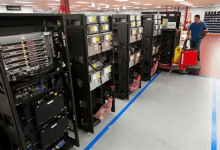
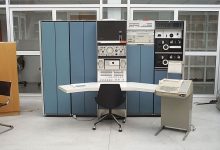
| Size | Tiny, board-level or chip-level | Desktop or portable | Room-sized or facility-scale |
| Performance | Low to moderate (real-time optimized) | Moderate | Extremely high |
| Power Usage | Very low | Moderate | Very high |
Trends and Future Outlook
- Edge AI: Embedded systems increasingly support on-device machine learning for real-time decision-making.
- Connectivity: Integration with Wi-Fi, Bluetooth, and cellular networks enables smart, connected devices.
- Security: Hardware-level encryption and secure boot are becoming standard in embedded platforms.
- Open Source Ecosystems: Platforms like Arduino and Raspberry Pi have democratized embedded development.
- Miniaturization: Advances in chip design allow powerful embedded systems to fit into wearable and implantable devices.


Must log in before commenting!
Sign In Sign Up