Cloud-Centric Computing Devices
A Chromebook is a laptop or tablet running Google’s ChromeOS, designed to be lightweight, affordable, and cloud-focused. Unlike traditional laptops that rely heavily on local software, Chromebooks emphasize web-based applications and cloud storage, making them ideal for education, everyday productivity, and mobile computing.
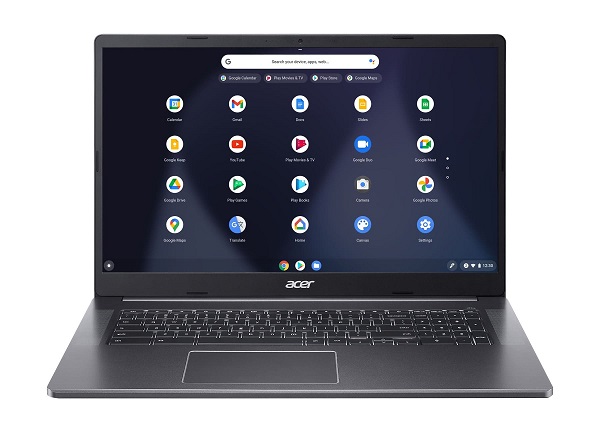
Historical Background
- 2011: Google introduced the first Chromebooks in partnership with Samsung and Acer.
- 2013–2015: Adoption grew in schools due to affordability and easy management.
- 2017–Present: Chromebooks expanded into business and consumer markets, with premium models offering touchscreens, convertible designs, and powerful processors.
Architecture and Features
Chromebooks are built around simplicity and cloud integration:
- Operating System: ChromeOS, based on Linux, optimized for web apps.
- Storage: Limited local storage (16–128 GB), with emphasis on Google Drive cloud storage.
- Processor: Ranges from entry-level ARM chips to Intel Core i7.
- Connectivity: Wi-Fi, Bluetooth, USB-C, HDMI, and sometimes LTE.
- Applications: Web apps, Android apps (via Google Play), and Linux apps.
- Security: Automatic updates, sandboxing, verified boot, and built-in virus protection.
- Battery Life: Long-lasting, often 8–12 hours.
Comparison with Other Laptops
| Feature | Chromebooks | Windows Laptops | MacBooks |
| OS | ChromeOS (cloud-focused) | Windows (software-rich, versatile) | macOS (premium ecosystem) |
| Storage | Limited, cloud-based | Large local storage | Large local storage + iCloud |
| Performance | Moderate to high (premium models) | Wide range, from budget to gaming | High performance, premium only |
| Price | Affordable (entry-level models) | Wide range (budget to premium) | Premium pricing |
| Security | Strong, automatic updates | Requires antivirus, manual updates | Strong, frequent updates |
-=||=-FavoriteLike (0)



Must log in before commenting!
Sign In Sign Up